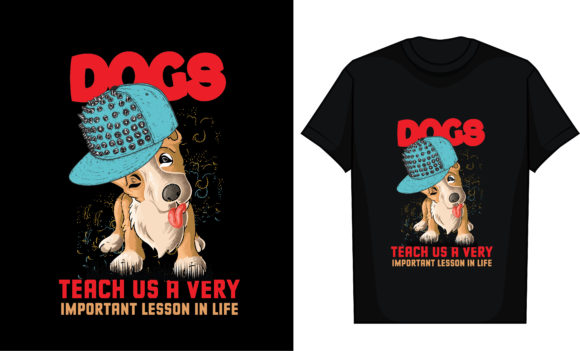
Dogs Teach Us a Very Important Lesson
First Impressions: Warm, Simple, and Surprisingly Versatile
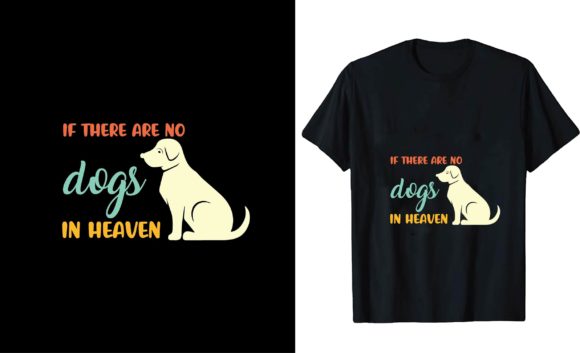
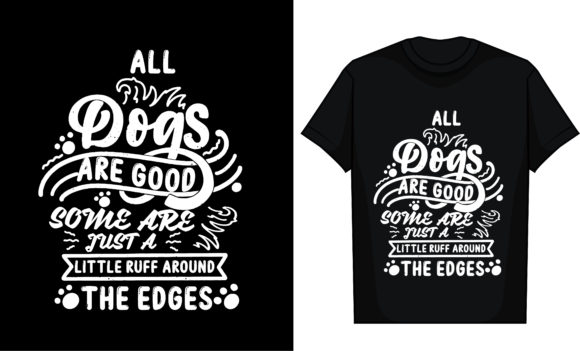
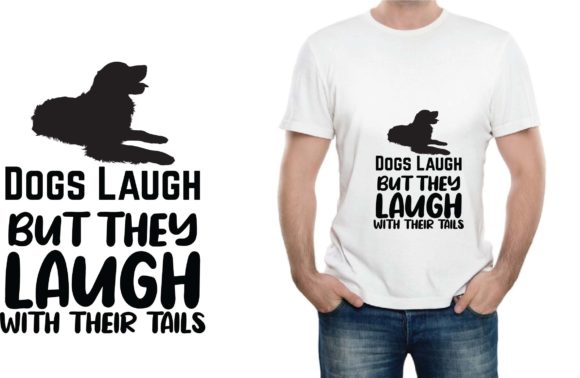
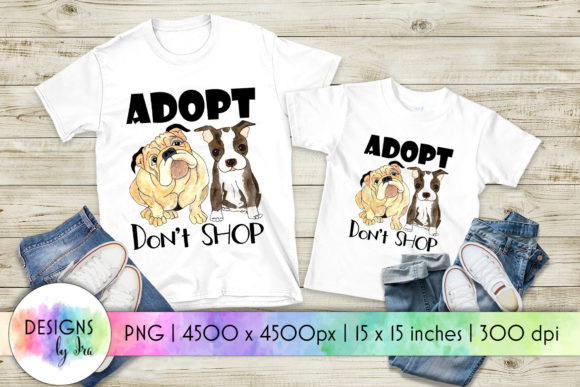
When I opened Dogs Teach Us a Very Important Lesson for the first time, I didn’t see just another dog-themed graphic—I saw potential. It’s not overly cutesy or cartoonish, nor is it minimalist to the point of abstraction. There’s a gentle sincerity in the layout: soft curves, balanced negative space, and lettering that feels handwritten but legible—not rushed, not stiff. The design breathes. That matters more than most designers admit when choosing embroidery files for real projects.
A Real-World Test: Embroidering a Linen Kitchen Towel for a Local Boutique
Last week, I used Dogs Teach Us a Very Important Lesson on a 16” x 24” natural linen tea towel—part of a small batch for a neighborhood kitchen boutique. Why this design? Because it matched the shop’s ethos: thoughtful, handmade, quietly joyful. I stitched it centered near the top hem, using medium-weight cutaway stabilizer and 40-weight polyester thread in warm charcoal and oatmeal tones. The result landed beautifully: soft enough for home kitchens, clear enough to read across a countertop, and meaningful without being sentimental.
Where This Design Shines (and Where It Needs Care)
Dogs Teach Us a Very Important Lesson works especially well for custom apparel and lifestyle goods where emotional resonance matters more than flash. Think sweatshirt embroidery for dog rescue fundraisers, embroidered patches for volunteer aprons, or pillow covers for vet clinics. Its clean outline and moderate detail level translate reliably across fabric types—especially stable weaves like cotton twill, canvas, and midweight linen.
But here’s what I watched closely:
- Small hoop sizes: At under 4” wide, it fits standard 4x4 hoops comfortably—but avoid shrinking it below 3.5”. Tiny lettering loses clarity fast in satin stitch.
- Textured fabrics: On burlap or heavily slubbed linen, I added a layer of tear-away + cutaway combo stabilizer. The design’s open spacing helped—it didn’t drown in texture.
- Dark fabric: Tested on navy cotton poplin—no issues. The contrast held up well with light-thread choices, though I’d skip pastel threads unless stitching over cream or beige.
- Curved surfaces: Tried it on a structured baseball cap front panel. Slight distortion in the lower curve of the “D” and “g”—nothing a skilled hooper can’t compensate for, but best reserved for flat or gently curved items unless you’re confident adjusting placement.
- Frequent washing: Stitch density felt moderate—not too dense to stiffen fabric, not too sparse to fray. Still, I recommend advising customers to wash inside-out and air-dry embroidered baby onesies or kitchen towels.
What It Adds to Your Finished Product—Beyond Aesthetics
This isn’t just a machine embroidery design—it’s a quiet brand amplifier. When stitched onto a tote bag for a local shelter’s adoption event, Dogs Teach Us a Very Important Lesson sparked conversations at checkout. People paused. Smiled. Asked where it was from. That kind of organic engagement is gold for Etsy sellers and craft fair vendors.
It also supports professionalism without demanding perfection. Unlike intricate floral monograms or tightly packed script designs, this one forgives minor tension inconsistencies. Its generous line weight and forgiving spacing mean fewer re-hooping moments—and less frustration when producing multiples for a small shop product line.
For personalized gifts? Strong yes. It reads clearly on baby embroidery (stitched on a soft cotton receiving blanket), carries warmth on holiday embroidery (think cozy flannel pillow covers), and adds sincerity to wedding gifts (a custom apron for the dog-loving couple who met at a park).
Design Assets That Feel Human—Not Just Digital
As an embroidery designer who reviews hundreds of digital embroidery files each year, I notice how few truly consider *context*. Dogs Teach Us a Very Important Lesson does. It doesn’t scream. It doesn’t compete with busy patterns. It sits comfortably beside other design assets—whether paired with a simple paw print applique design or left solo as a statement piece.
That makes it unusually flexible for commercial embroidery. You can use it on client-branded merchandise without clashing with logos. You can include it in printable mockups for your Etsy listings without needing heavy editing—it photographs cleanly on both light and dark backgrounds.
Practical Notes Before You Stitch
Before committing to Dogs Teach Us a Very Important Lesson for your next project, do these five things:
- Test the embroidery file on scrap fabric matching your final product’s weight and stretch—especially if using it on knit t-shirts or baby ribbing.
- Check thread color contrast in natural light. What reads well on screen may vanish on charcoal fleece.
- Review stitch density visually—not just in software. Look for tight fill-stitch clusters or thin running-stitch connectors that might snag or break.
- Confirm hoop size compatibility. If your machine uses 5x7 hoops exclusively, verify the design fits without scaling—or contact the seller for alternate sizing options.
- Inspect small details: corners of letters, junctions between curves and stems. Are they sharp or softened? That tells you how forgiving it’ll be on textured or loosely woven fabric.
And always—always—check licensing terms. The listing says these are digital files for personal and commercial use, but confirm whether finished products (like embroidered tote bags) may be sold, and whether attribution is required. Clarity there protects your craft business and builds trust with buyers.
Final Thought: A Design That Earns Its Place
Dogs Teach Us a Very Important Lesson isn’t flashy. It won’t dominate a trade show booth. But in the quiet moments—when someone runs their fingers over the satin stitch on a gift-wrapped pillow cover, or pauses mid-scroll on your Etsy listing because the phrase lands just right—that’s when this design proves its value. It’s not just graphics. It’s empathy, translated into thread.
For T-Shirt Designs that double as heartfelt keepsakes, for Graphics that hold meaning beyond trend, and for embroidery projects where authenticity matters more than ornamentation—this one earns its spot in your design assets library.