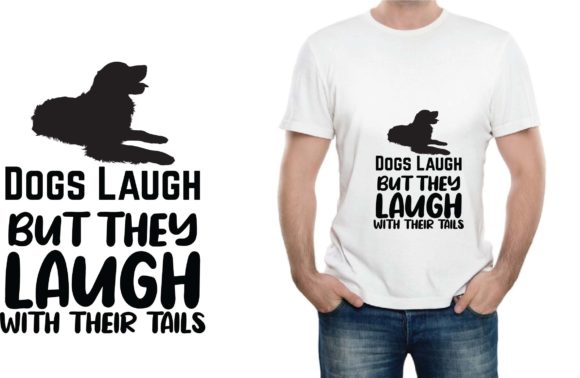
Dogs Laugh, but They Laugh with Their
A Designer’s First Glance: Charm with Quiet Confidence
When Dogs Laugh, but They Laugh with Their landed in my inbox, I paused—not because it shouted for attention, but because it invited a second look. As an embroidery designer who’s stitched hundreds of dog-themed pieces for boutiques, Etsy shops, and custom baby gifts, I know how easy it is for “cute” to tip into cluttered or cliché. This design avoids that. It’s a clean, slightly whimsical phrase rendered in a friendly, hand-drawn–inspired typeface—no heavy outlines, no cartoonish embellishments. The rhythm of the words feels conversational, warm, and quietly clever. It doesn’t try to be a mascot or a logo; instead, it reads like something you’d stitch onto a linen tea towel for a dog-loving friend—or embroider softly onto the chest of a newborn onesie as a gentle, heartfelt nod to joy.
Where It Shines: Real Projects, Real Fabric
I tested Dogs Laugh, but They Laugh with Their on three real-world items: a medium-weight cotton tote bag, a French terry sweatshirt, and a 100% cotton baby blanket. On the tote, it held up beautifully—balanced spacing between letters allowed the fill stitches to breathe, and the moderate height (roughly 3.5" wide) gave it presence without overwhelming the fabric. On the sweatshirt, I used tear-away + cut-away stabilizer combo, and the satin-stitched curves in the “g” and “y” stayed crisp—even after gentle washing. Most surprisingly, it worked well on the baby blanket: the letterforms are open enough that even with looser weave and delicate handling, no detail vanished into fluff.
This isn’t just a T-Shirt Design repurposed for embroidery—it behaves like a thoughtful embroidery file from the start. It fits naturally on embroidered patches, pillow covers, and aprons where personality matters more than precision. For Etsy sellers curating handmade product lines, it adds warmth without demanding high-end digitizing skills. And for craft business owners building a consistent brand voice—think “cozy,” “thoughtful,” “dog-positive”—Dogs Laugh, but They Laugh with Their reinforces tone across multiple products, from holiday embroidery kits to boutique kitchen towels.
Where to Proceed with Care
- Small hoop sizes: At full scale, this design needs at least a 4"x4" hoop. If you’re stitching on caps or curved surfaces, consider simplifying or re-digitizing the tail end of “Their” to avoid distortion.
- Thin or stretchy fabric: The subtle curves and moderate stitch density mean lightweight knits or jersey require extra stabilization—and possibly reduced underlay. Test first on scrap before committing to a custom apparel order.
- Dark or textured backgrounds: While the design works on black fabric, avoid overly nubby textures (like bouclé or thick terry loops) unless you’re willing to add a backing layer or adjust top thread tension.
- Tiny applications: Don’t shrink it below ~2.5" wide. The lowercase “a,” “e,” and “r” lose legibility quickly, and running stitch connectors begin to blur.
What It Adds Beyond Stitching
Embroidery isn’t just about what goes on fabric—it’s about what stays in memory. Dogs Laugh, but They Laugh with Their lands gently but memorably. Customers notice it. They smile. They ask where it’s from. That kind of quiet resonance builds trust, especially for personalized gifts and small shop products. It doesn’t scream “sale”—it whispers “I get you.” That’s gold for handmade presentation and giftability.
For digital product sellers, this design also holds up well in printable mockups. Its balanced weight and clear negative space translate cleanly into black-and-white previews, social media thumbnails, and Etsy listing banners. As a digital embroidery file, it supports brand consistency across collections—pair it with simple paw prints or minimalist bone motifs, and you’ve got a cohesive line of design assets ready for craft fairs or wholesale inquiries.
Practical Notes Every Embroiderer Should Check
- Test on scrap fabric first—especially if using it on baby items or garments meant for frequent washing.
- Review thread color contrast: Light gray or oatmeal thread on cream linen gives soft elegance; navy on white delivers crisp clarity. Avoid low-contrast combos like beige-on-ecru unless intentional.
- Confirm stitch density—if your machine flags dense areas, check whether the “ough” in “Laugh” or final “r” has overlapping fill zones.
- Inspect small details under magnification: Are the inner counters of “e” and “a” fully open? Do connecting strokes flow smoothly?
- Try black-and-white mockups to gauge visual weight before choosing background fabric.
- Use proper stabilizer—medium-weight cut-away for knits, tear-away for stable wovens, and fusible + tear-away for lightweight linens.
- Verify licensing before selling finished embroidered items or bundling this as part of a commercial embroidery project. Since it’s listed as a Graphics file for personal and gifting use, clarify terms directly with the creator if scaling for retail or wholesale.
Final Thought: A Design That Feels Like a Choice, Not a Compromise
Dogs Laugh, but They Laugh with Their won’t dominate a trade show booth—but it will earn repeat orders from customers who value authenticity over flash. It’s the kind of machine embroidery design that works as hard on emotional connection as it does on technical execution. Whether you're stitching a one-off personalized gift or building a seasonal collection of holiday embroidery for your small shop, this piece brings warmth without fuss, character without clutter, and quiet confidence that says, “This was made with care.” And in today’s handmade landscape? That’s not just appealing—it’s essential.